Table Of Content
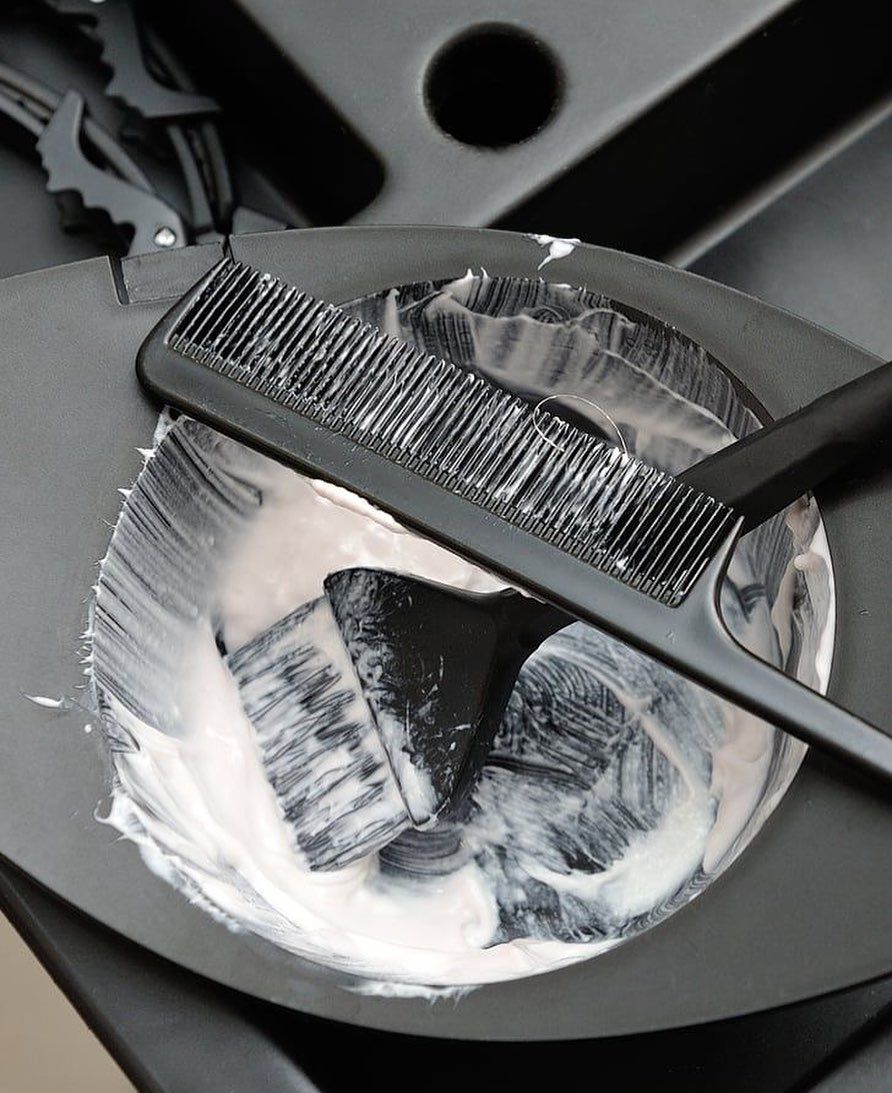
"Buy more than one box of color—you don't want to be short on product in the middle of the process." While often we perceive it as an unwanted occurrence, it does help protect your hair and scalp. That’s why you don’t want to wash these oils out with a shampoo right before coloring. Truth be told, box dyes can actually set you up on a journey of hair damage, with more time and money ultimately being spent in the end. "Box dyes should be avoided in all circumstances," says Debski. "They contain high counts of metallic salts and other dyes," which can have an adverse effect on your strands, "especially if a client is wanting to eventually go lighter."
How to Maintain Colored Hair 2022: The Ultimate Guide to Protecting Against Damage - Vogue
How to Maintain Colored Hair 2022: The Ultimate Guide to Protecting Against Damage.
Posted: Wed, 16 Mar 2022 07:00:00 GMT [source]
How often should I touch-up my hair color?
Cutting your hair before you color will ensure you’re able to see the full effect of your color. Perm first to ensure that the perming process will not interfere with your newly applied color. If you're using a permanent hair color (lasts until your hair grows out or you recolor), wait for 7 – 10 days and shampoo at least once before coloring. Should you wash your hair right before your color appointment? Both things are true, so it boils down to what you’re getting done.
Don't Shampoo
How to Dye Your Hair at Home - Men's Hair Color Tips - Men's Health
How to Dye Your Hair at Home - Men's Hair Color Tips.
Posted: Mon, 01 Jun 2020 07:00:00 GMT [source]
Coloring your hair at-home can be challenging, especially if you're doing it all on your own. To make sure you get even coverage, McLean recommends having a friend to lend a hand (who you’ll need when you’re craning to make sure you didn’t miss a spot) to help with your at-home hair coloring journey. If they're not able to be there in person, a video chat will do. Long gone are the days when liquid hair dye formulas were the only option for at-home hair color. What’s the difference between a liquid dye and a mousse formula, you ask?
Shampoo alternatives
Dying our hair is shifting the interior and the exterior of our strands, so the way we treat them is key to color preservation, vibrancy, and health. We put together a list of the 10 most common hair color myths and tapped expert colorists Ashley Pineda, Aspen Rae, and Kathy Debski to help us sort the facts from fiction when it comes to caring for dyed hair. As mentioned above, both experts say that hair color adheres better on clean strands as there is nothing blocking it from directly attaching. Yusef says that product buildup can prevent color from reaching the hair, and emphasizes that keeping your locks healthy will help prolong your new hue’s life. If you’re not sure whether you should wash your hair before the coloring process, it’s a common step to be confused about. In order to settle the debate, Bustle tapped two celebrity hairstylists — Yusef and co-founder of Good Dye Young Brian O’Connor — to break it all down.
Hair Color Secrets: Should You Wash Your Hair Before Dying?
For starters, you need to assess the condition of your hair, decide which shade is best for you, and find the right formula—and that's before you even start the coloring process. If you use products that contain plasticizing ingredients, you’ll have to wash them out before getting a color treatment. Copolymer, carbomer, and some gums and waxes coat the hair with impermeable substances. There are two good reasons to skip the hair washing session before applying hair dye. This will create a shield between your scalp and the harmful chemicals in hair dyes to prevent burning and itching. Hair can be dirty if it goes more than 3 days without washing.
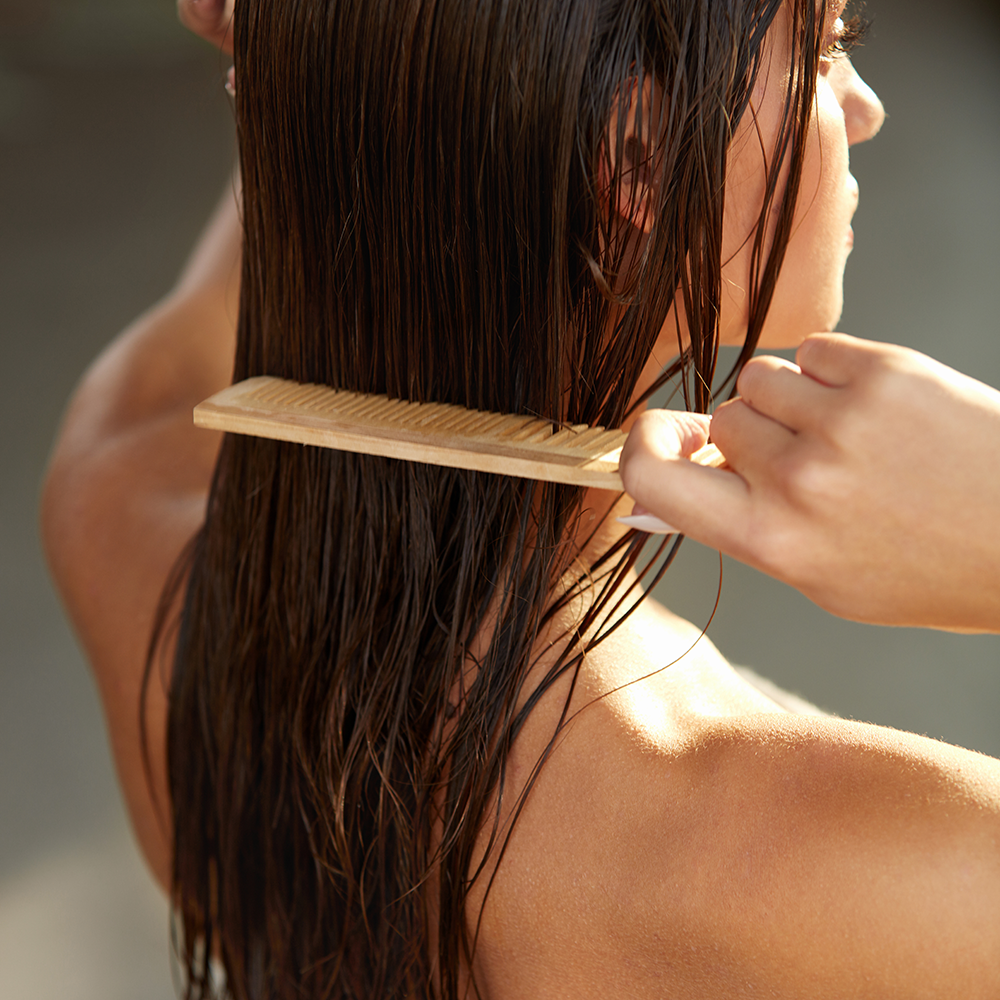
If you're planning on coloring your hair, you might as well get ahead of the game and invest in a color-safe shampoo and conditioner. Another big mistake that many people make when coloring their hair, whether it's a DIY dye job at home or a professional color at the salon, is washing their hair within a couple of days after getting it dyed. If you're typically a daily hair washer, this tip might be difficult, but it's crucial to avoid washing your hair for at least a day or two after dyeing it at home. “It gives your colorist a better sense of how the color grew out and how much it’s oxidized.
Why You Should Leave Your Hair Dirty Before Dyeing
When washing your hair, it’s best to use shampoos formulated for color-treated hair, as they will help you preserve the new hair color. There are products you should use and avoid before dyeing your hair. In this section, we give recommendations to get the best possible effects from the coloring process. To blow dry your hair to perfection without all the damage, make sure you are using the coolest setting on your blow dryer so the strands aren't undergoing any more stress from the heat.
If you’re using a product with no ammonia or a low-volume developer, the dye may not break through the dirt stuck to your hair. Hair dye products include damaging chemicals like hydrogen peroxide and ammonia. However, ammonia-free options are recommended if possible, regardless of whether the hair was cleaned ahead of time. So keep reading if you’ve ever wondered whether or not washing dirty pre-dye is really necessary.
Dirty Hair Can Confuse Your Hair Colorist
Ammonia is a chemical that raises the pH level of hair to make the hair color stick better. Unfortunately, ammonia also causes damage to the hair cuticle and can result in a strong chemical smell when dyeing your hair. When you do finally shampoo and condition your hair, make sure to use shampoo and conditioner that is meant for color-treated hair. Unfortunately, some shampoo and conditioner formulas will strip the dye from your hair too fast, resulting in dull-looking locks. Hot water can also strip the color from your hair, so make sure that the water is not too hot when you do finally give your hair a wash. It also helps to apply cream or petroleum jelly to your neck and around your ears to keep the dye from staining the skin in those areas.
Just like professional salon hair dye, using box dye on dirty hair can also produce patchy or uneven results. We suggest having a little grease on your hair before coloring. If your locks are too greasy after 4 days of no shampoo, dyeing it can be pretty challenging. Touch up your hair color every 4 to 8 weeks, depending on the desired look. Use quality color products and protect your hair with a toning shampoo and conditioner system for long-lasting vibrancy. It’s important to dry wet hair before arriving at your next appointment, especially if you have darker tones.
The non-drip creme (which helps protect hair as it colors) comes in a variety of shades so that you can easily find your best match. For all-over color…try L’Oréal Paris Féria or L’Oréal Paris Superior Preference. Whether you want to sport a trendy shade like rose blonde hair or something a little more natural-looking, like chestnut hair, there are plenty of options for you to choose from in these two lines. This technique is a little bit softer than ombré (sombré means “soft ombré”). To get this look, ask for highlights that are just a few shades lighter than your natural color so that the result is subtle. Celebrity colorist George Papanikolas says that "single process color for gray coverage; a double process base color and highlight, and bleach and tone," require the most upkeep.
This temporary root cover-up hides overgrown roots and gray hairs with just a quick spray. Spritz it onto your roots and partly through the length of your hair for a seamless blend. It’s not sticky or greasy, and it lasts until you wash it out. The gentle formula deeply cleanses and conditions all hair types without sulfates, synthetic fragrances or parabens that can weigh down the hair and cause irritation.


No comments:
Post a Comment